Egypt
Petrojet Nears Completion of EGP 1.3 Billion Naphtha and LPG Project in Suez
Published on : 2024-08-18
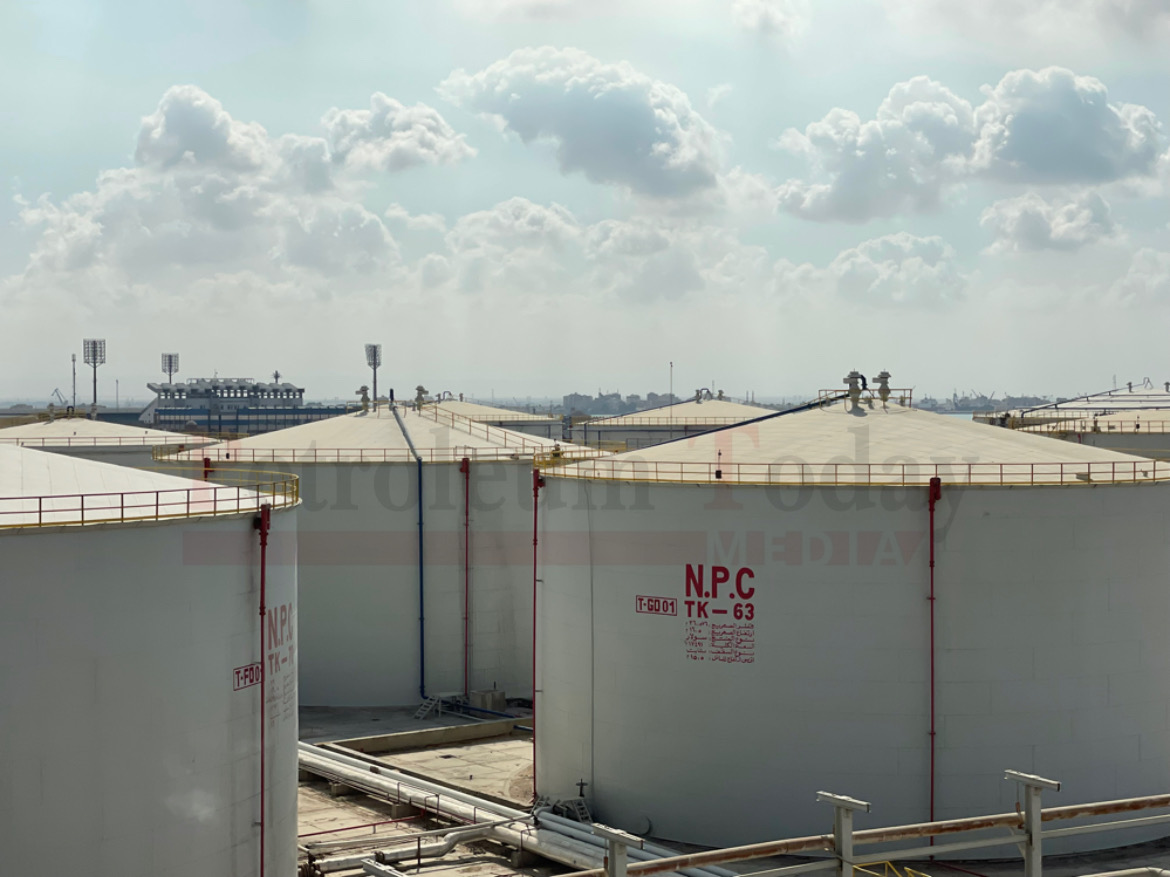
Petrojet, the Egyptian Petroleum Projects and Technical Consultations Company and a key player within Egypt’s petroleum sector, is on track to finalize a new naphtha and liquefied petroleum gas (LPG) production project in Suez by the fourth quarter of 2024.
According to a senior government official speaking to Al Arabiya Business, the project, managed by Nasr Petroleum Company, has achieved over 95% completion as of August. The project is anticipated to reach full completion by the fourth quarter of this year, with trial operations set to commence immediately thereafter.
The official highlighted that the rising costs of project execution, driven by fluctuations in the Egyptian pound's exchange rate against the dollar, have escalated the total investment to approximately EGP 1.3 billion.
"The project is designed to produce an annual capacity of 340,000 tons, which will be fully realized upon the commencement of final operations," the official added.
This new LPG and stabilized naphtha facility is expected to significantly bolster the local market's supply of essential petroleum products, reducing the nation's dependency on imports. This aligns with the Egyptian government’s broader strategy to lower fuel import costs beginning in 2024.
Petrojet has overseen the entire scope of the project, including construction, procurement, and the installation of electrical and instrumentation systems. Notably, the majority of the equipment was manufactured domestically in Petrojet’s own workshops.
The official also noted that Nasr Petroleum Company plays a critical role in meeting domestic demand for high-value petroleum products, including naphtha, diesel, mazut, kerosene, and LPG, through its existing facilities, thus helping to reduce Egypt’s reliance on foreign imports.
Egyptian refining companies, the official explained, process crude oil on behalf of the Egyptian General Petroleum Corporation (EGPC) in exchange for a refining fee. This arrangement ensures a steady supply of petroleum products to the local market while enabling the export of any surplus.
Since 2016, Egypt’s Ministry of Petroleum and Mineral Resources has pursued a comprehensive strategy to enhance the petroleum refining industry’s performance and increase production capacities for both petroleum and petrochemical products. This strategy has led to the establishment of new entities and capacities, resulting in the completion of eight major projects in the refining and oil processing sector, as well as refinery expansions, with a combined investment exceeding $5 billion.